
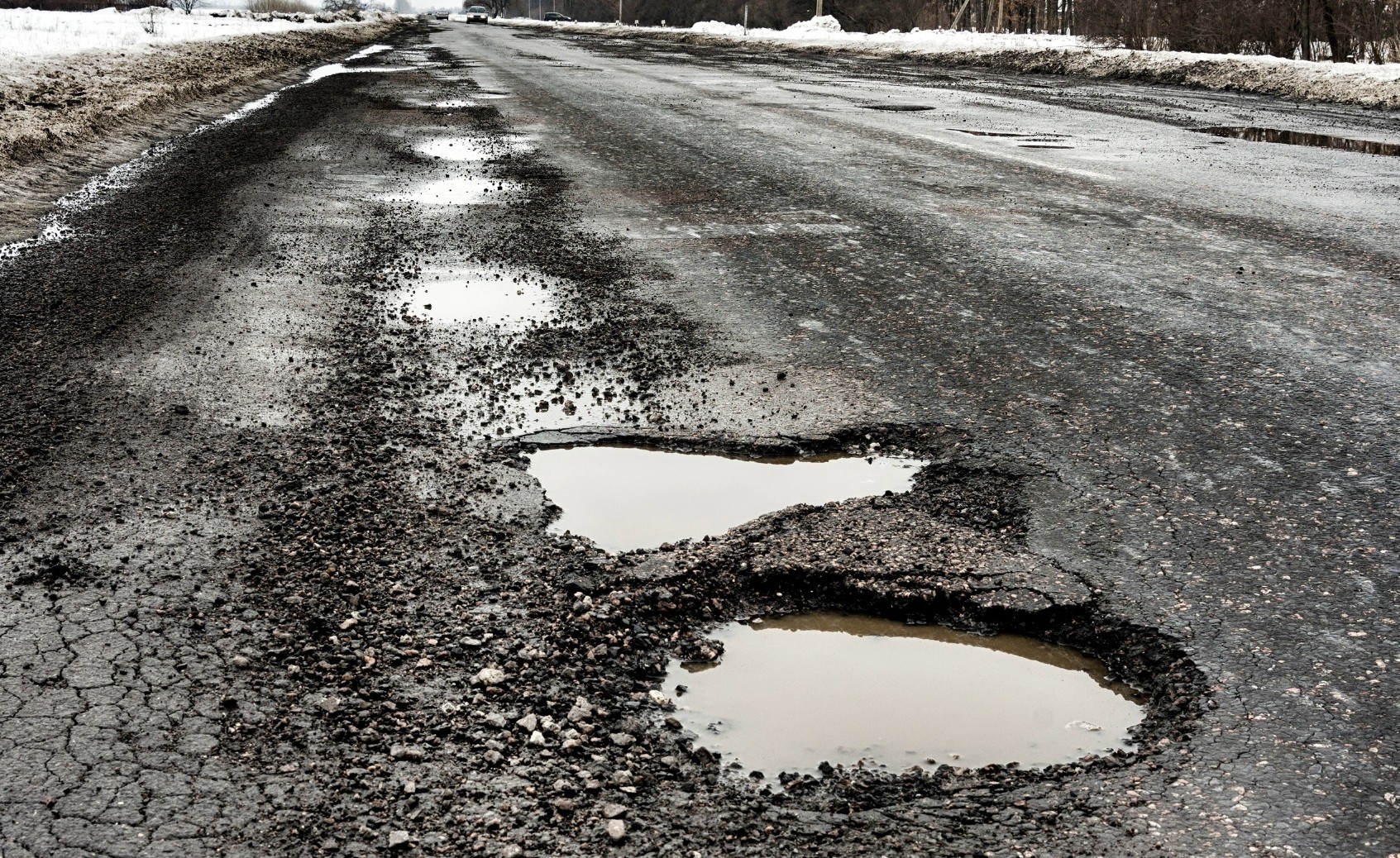
As winter sets in across Kentucky and the Ohio River Valley, most of us expect icy sidewalks, frost‑tipped branches, and maybe a snow day or two. What’s easy to miss is how those same temperature swings quietly start to erode the integrity of the roads, sidewalks, parking lots, and structures we rely on every day. Small cracks in concrete or asphalt may seem harmless now, but when they let moisture in, then freeze, thaw and repeat, they can evolve into major failures.
At BFW, we work alongside state departments of transportation (DOTs), municipalities, and school‑district facility teams to help identify and mitigate these hidden risks. In this article we’ll explain what happens during the freeze‑thaw cycle, point out warning signs, describe how design and maintenance can reduce the damage, and highlight how modern materials and engineering firms like ours support smarter, longer‑lasting infrastructure.
What Actually Happens During the Freeze‑Thaw Cycle
Water infiltration, temperature swings, and internal stresses combine to make winter one of the harshest seasons for pavements and structures.
Water infiltration and retention. Even well‑constructed concrete and asphalt contain micro‑pores and capillary channels. In Kentucky, one study noted roughly 32 freeze‑thaw cycles per year for typical concrete exposures (uknowledge.uky.edu). That means moisture entering these voids is a constant concern.
Freezing expansion and internal stress. When water inside these pores freezes, it expands about 9 % by volume. That expansion within confined space generates tensile stress that concrete and asphalt aren’t designed to carry indefinitely. Over repeated cycles, those micro‑cracks widen. Research from the Federal Highway Administration (FHWA) peer‑exchange concluded that increases in freeze/thaw cycles are among the factors reducing pavement lifespan (fhwa.dot.gov).
Thawing and damage propagation. Once the ice melts, water often carries salts or de‑icing chemicals deeper. That reduces internal cohesion and increases the pace of crack propagation. In Kentucky’s climate, where freeze‑thaw is frequent, yet the associated damage often plays out over years, this makes early intervention essential.
Warning Signs That Damage is Starting
Detecting early signs of freeze‑thaw damage lets you shift from reactive repairs to preventive maintenance. Here are common indicators:
- Surface scaling or spalling of concrete slabs – the top layer flakes off, often due to internal stress from freeze‑thaw or salt attack.
- “Map” cracking or network cracking in asphalt – small, interconnected cracks typically indicate moisture ingress and freezing cycles.
- Transverse cracking at joints or cold‑joints in pavements – when the support below has been compromised by freezing water.
- In buildings or pavement structure: faults in expansion joints, leaks near joints, uneven settlement from subgrade heaving.
- For agencies like the Kentucky Transportation Cabinet (KYTC), cracks wider than ¼ inch, or spalled joint edges, trigger consideration for concrete pavement repair (transportation.ky.gov).
When these signs appear, addressing them promptly often avoids more substantial repairs later.
Prevention Through Design and Maintenance
Freeze‑thaw damage isn’t inevitable; it’s manageable when engineering, materials, and maintenance align with local conditions.
Design for the region. In Kentucky’s variable winters, moisture control is key. That means:
- Specifying air‑entrained concrete for freeze‑thaw resistance (air voids act as relief zones).
- Designing pavement sections with proper drainage, subgrade preparation, and slope to avoid standing water.
- Selecting asphalt mixtures and concrete mixes that meet local specifications (KYTC’s asphalt spec includes freeze/thaw tests such as Tensile Strength Ratio per ASTM D 4867) (transportation.ky.gov).
Maintenance that matters. A maintenance calendar aligned to life‑cycles beats reactive fixes. Steps might include:
- Early‑season inspections after the first freeze, targeting cracks and joint seals.
- Crack‑sealing or joint resealing before moisture enters the system deeply.
- Surface treatments (sealers, thin overlays) on asphalt before distress becomes advanced.
- Pavement‑management programs (like KYTC’s) that evaluate condition and schedule preventive maintenance rather than just major overlays (transportation.ky.gov).
How engineering firms help DOTs & agencies. At BFW we support clients by:
- Performing condition assessments to map freeze‑thaw distress across roadways or campus pavements.
- Developing prioritized preservation and rehabilitation plans that integrate freeze‑thaw risk.
- Specifying materials and treatments tailored to regional exposure, ensuring mix designs meet freeze‑thaw durability.
- Helping agencies interpret pavement‑management data and build budgets for preventive maintenance rather than costly reactive repairs.
Smart Materials and Modern Solutions
Materials science continues to offer tools that extend life and bolster resilience.
- Self‑healing concrete technologies, some concretes incorporate crystalline or polymer admixtures that reduce further water ingress after micro‑cracks form.
- Hydrophobic surface treatments, coatings that repel water reduce the volume of moisture that enters pores and thus slow freeze‑thaw attack.
- Polymer‑modified asphalt mixes, these maintain elasticity in colder temperatures and resist fatigue cracking triggered by freeze‑thaw cycles.
- Use of pavement‑design models and climate stressor data (such as FHWA’s resilience study) to anticipate changing freeze‑thaw exposure rather than only relying on historic conditions (fhwa.dot.gov).
Engaging an experienced engineering partner ensures these innovations are brought into spec, pilot programs, and maintenance planning, not left to chance.
Why Early Intervention Saves Money and Builds Value
For a DOT, school district, or municipal facility team, the difference between catching damage early and waiting can be significant.
Studies show that every dollar invested in timely pavement preservation can avoid multiple dollars in full replacement costs. When small cracks are sealed and moisture prevented from entering the base or subgrade, the structure retains strength and service life is extended. For example, KYTC’s guidelines use repair thresholds (joint deterioration, cracking severity, service life) to determine when partial‑depth versus full‑depth repair is justified (transportation.ky.gov).
For BFW’s clients this means we help shift budget focus: less emergency repair, more planned longevity. That aligns with our goal of delivering infrastructure that endures, supports community use, and avoids disrupting operations (schools, roadways, campuses) when winter damage hits.
Building Resilience Before the Next Freeze
Winter will always bring freeze‑thaw cycles, but it doesn’t have to bring expensive repairs, disruption, or shortened infrastructure life. By understanding how moisture and temperature swings impact concrete and asphalt, applying prevention through design and maintenance, leveraging modern materials, and working with engineers experienced in regional exposure like ours, communities in Kentucky can stay ahead of the damage.
At BFW we believe infrastructure planning is not just about building; it’s about sustaining. If you’re managing roads, campus pavements, parking lots, or building slabs, start now: inspect early, allocate maintenance dollars, and specify smart materials. The next thaw won’t wait, and neither should your plan.
Recent Comments