
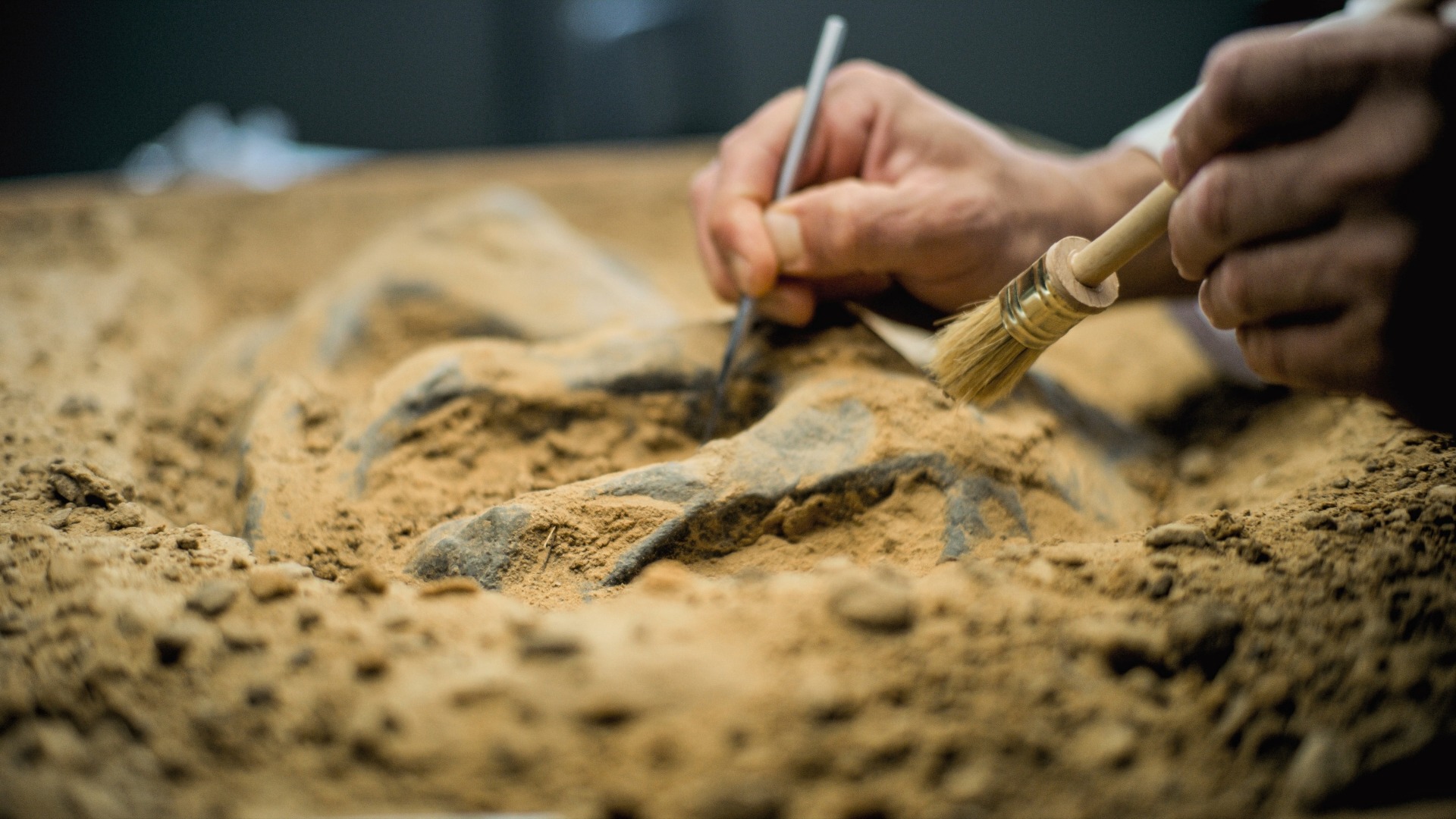
BFW/Marcum has long partnered with archaeological subconsultants, but rising project needs and expanding environmental requirements prompted a significant decision: establishing archaeology as an in-house service.
Why In-House Archaeology?
“We’ve seen a growing demand for archaeological expertise—not just within our existing projects, but throughout our strategic expansion into broader environmental science consulting,” explains Matt Mattes, Archaeologist at BFW/Marcum. “Federal, state, and tribal jurisdictions increasingly recognize the critical role archaeology plays in responsible development.”
In-house archaeological services fit seamlessly into BFW’s broader mission of integrating thoughtful engineering and community-focused solutions. According to Mattes, projects involving significant ground disturbances—particularly near reliable water bodies or traditional resource areas—often have implications for indigenous and historic-era archaeological sites.
“Our main goal is to understand the potential impacts on cultural resources, implement effective mitigation strategies, and ensure regulatory compliance,” Mattes says. “Ultimately, we’re preserving the past while supporting responsible development for current and future generations.”
Steps in an Archaeological Investigation
Mattes outlined the typical steps of an archaeological investigation at BFW:
- Establish Project Boundaries: Clearly defining the Areas of Potential Effect.
- Stakeholder Consultation: Engaging with communities and regulatory entities early on and establishing communication channels for the duration of the project.
- Desktop Research: Reviewing historical maps, photos, previous research, geological data, and known resource databases.
- Fieldwork: Conducting surface and subsurface surveys to identify potential archaeological resources, sometimes continuing to mitigation fieldwork.
- Reporting and Recommendations: Communicating methods, findings, and compliance recommendations clearly to stakeholders.
- Continued Dialogue: Ensuring all parties agree on how to proceed, fostering transparency throughout the project.
Opportunities in the Ohio River Valley
Mattes is particularly enthusiastic about the opportunities presented by projects in the Ohio River Valley. “There’s a deep cultural history there, rich with archaeological depth,” he notes. “Working in diverse natural settings and closely coordinating with stakeholders gives us a unique opportunity to protect historical integrity while supporting community growth.”
The Importance of Early Involvement
Mattes stresses that early involvement of archaeologists is essential. By identifying cultural resources at project outset, developers can avoid costly delays and ensure smoother project execution.
“There’s often a misconception that archaeology is simply about preservation. It’s actually a proactive tool for responsible planning and development,” says Mattes. “Digging deeper, for us, means going beyond the literal excavation. It’s about deepening our understanding, engaging meaningfully with communities, and thoughtfully integrating the past with the present and future.”