
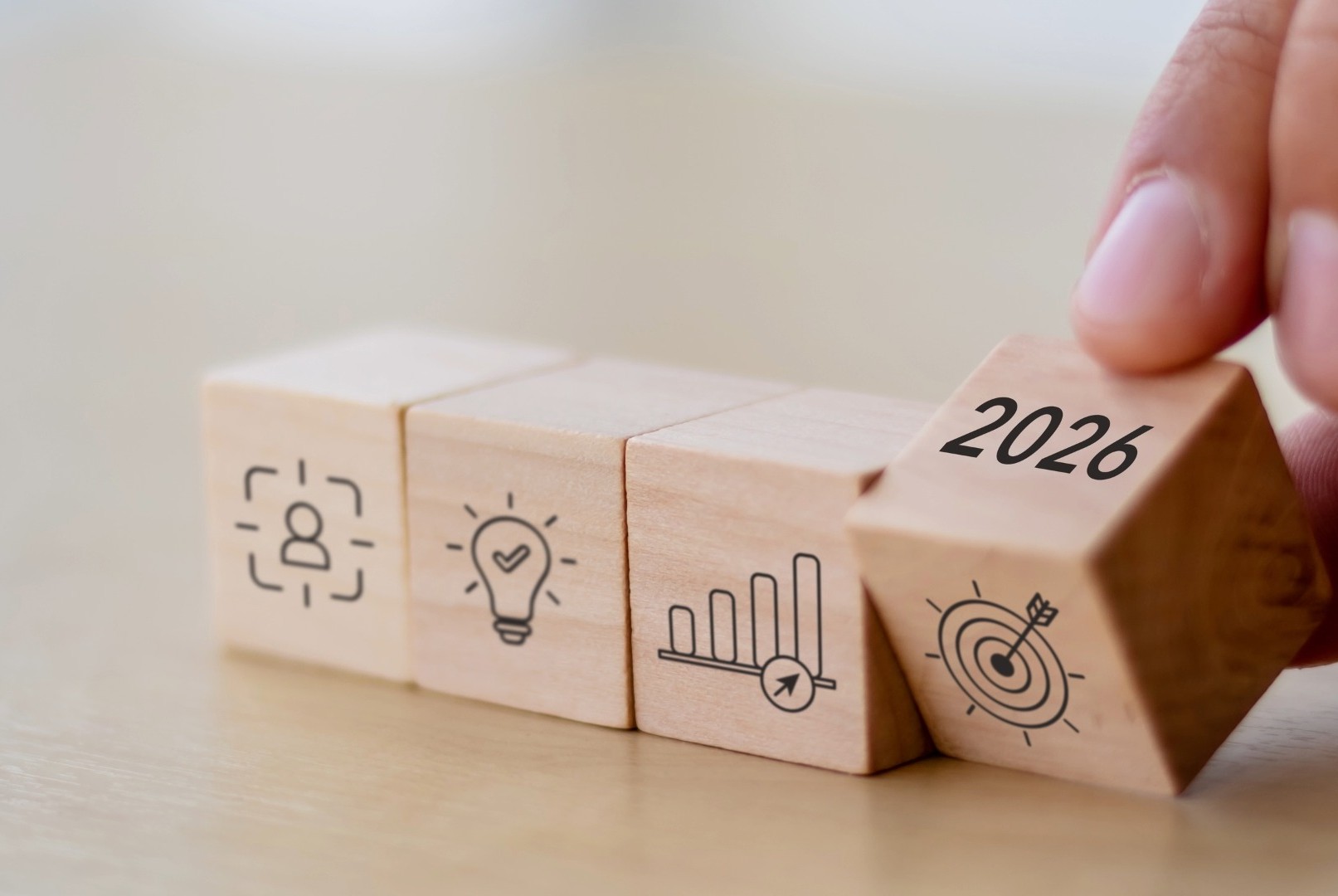
As a new year begins, people everywhere are setting personal goals. Whether they’re eating healthier, organizing their lives, or committing to better habits. For communities and school districts, January can serve the same purpose. It’s a chance to take stock of aging infrastructure, rethink priorities, and create measurable goals for the year ahead.
At BFW, we view this kind of annual reflection as more than symbolic. It’s a strategy for smarter, more resilient planning that benefits generations to come. The same way individuals commit to steady improvement, we encourage cities and schools to treat 2026 as the year they make practical resolutions for infrastructure success.
Resolution #1: Focus on Maintenance Before Expansion
Every facility has systems that quietly age behind the scenes: roofing, HVAC, lighting, plumbing, and site drainage. When budgets get tight, maintenance often falls behind, which leads to higher costs later. The U.S. Government Accountability Office reports that about 54 percent of public-school districts need to update or replace multiple building systems, and 41 percent need HVAC upgrades in at least half their schools (source).
Communities can make 2026 the year they recommit to maintenance by scheduling regular assessments, tracking system ages, and budgeting for predictable replacements instead of reacting to emergencies. Creating a “maintenance calendar” that aligns with system life cycles can prevent small problems from becoming major shutdowns.
This kind of discipline reflects one of our core values: protecting what’s already built before adding something new. It also builds public trust by showing responsible use of funds and attention to long-term performance.
Resolution #2: Modernize with Intention
Once essential maintenance is under control, modernization becomes the next step. Modernization doesn’t just mean new paint or updated equipment. It means designing for flexibility, technology integration, and improved occupant health.
The American Society of Civil Engineers encourages investments that align with evolving safety, sustainability, and resilience standards (source). Likewise, a McKinsey & Company report notes that districts should focus on upgrades that ensure high-quality air and water, creating healthy environments for learning (source).
For community leaders, modernization begins with a clear roadmap. Identify which buildings and systems will be upgraded over the next five to ten years, then align those improvements with future needs. Technology integration, adaptable spaces, and user-centered design can make facilities relevant longer.
Funding remains a challenge, but state and federal programs are expanding in 2026 to support infrastructure modernization across transportation, water, broadband, and public facilities (source). By pairing a long-term plan with available funding streams, communities can ensure that modernization efforts don’t stop at the planning stage.
Resolution #3: Build Sustainability and Resilience into Every Plan
Sustainability is no longer a bonus feature. It’s becoming an expectation. The National Association of State Energy Officials emphasizes the growing demand for healthy, energy-efficient, and resilient school facilities (source).
Communities can take practical steps now by setting specific metrics for 2026 and beyond, such as reducing energy consumption by a defined percentage or converting lighting to LED within a set timeframe. Updating design standards to include energy efficiency, natural lighting, and water conservation ensures that sustainability is embedded in every new project.
Resilience should go hand in hand with sustainability. As climate patterns shift, local governments need to evaluate how well infrastructure can recover from flooding, storms, or power disruptions. The U.S. Department of Education calls for schools to provide healthy, safe, and sustainable environments that are ready for the 21st century (source).
By making sustainability part of the annual planning process, communities can strengthen both their environmental responsibility and their ability to adapt to future challenges.
A Smarter Way to Start the Year
The beginning of the year is the perfect time to take stock, set targets, and organize priorities. Communities can borrow a page from personal resolutions by creating a simple roadmap:
- Early in the year: Assess current conditions and maintenance backlogs.
- Midyear: Finalize modernization goals and funding strategies.
- Year-end: Evaluate sustainability progress and set next year’s targets.
This cyclical, proactive process ensures that infrastructure planning is continuous, not crisis-driven. It also mirrors how we approach our projects: with foresight, measurable goals, and a focus on long-term community value.
Looking Ahead
The communities that thrive in 2026 will be the ones that plan deliberately today. Maintenance, modernization, and sustainability aren’t competing priorities—they’re complementary pieces of a single resolution: to build infrastructure that lasts, supports people, and grows with the needs of the future.
Just like any good New Year’s commitment, the key is consistency. When cities and schools make infrastructure resolutions and stick to them, they’re not just improving buildings. They’re investing in the health, safety, and prosperity of everyone who depends on them.
Recent Comments